Hey there, folks! I’m a supplier of Down The Hole (DTH) drills, and I’ve been in this industry for quite a while. One question that often comes up from our customers is, "What is the effect of the drill bit sharpness on the drilling speed of a Down The Hole Drill?" Well, that’s what we’re gonna dig into today. Down The Hole Drill
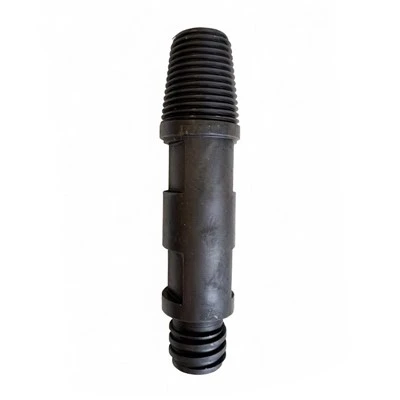
Let’s start with the basics. A DTH drill is a powerful tool used in various industries like mining, construction, and quarrying. It works by hammering down the hole while rotating the drill bit. The drill bit is the part that actually does the cutting, breaking through rock, soil, or whatever material you’re trying to drill into. And just like any cutting tool, the sharpness of the drill bit plays a crucial role in how well it performs.
When a drill bit is sharp, it can cut through the material more easily. The edges of a sharp bit can penetrate the surface with less resistance, which means the drill doesn’t have to work as hard. This directly translates to an increase in drilling speed. Think about it like using a sharp knife to cut through a piece of meat. It glides through smoothly, right? But if the knife is dull, you have to put in a lot more effort to get through the same piece. The same principle applies to DTH drill bits.
A sharp drill bit also creates a cleaner cut. It can break the material into smaller, more manageable pieces, which are easier to remove from the hole. This reduces the chances of the hole getting clogged with debris, which can slow down the drilling process. In a well – functioning drilling operation, the ability to quickly and efficiently remove the cuttings is essential for maintaining a good drilling speed.
On the other hand, when a drill bit starts to dull, things get a lot tougher. A dull bit has rounded edges, which means it has to apply more force to break through the material. This extra force puts more stress on the drill, causing it to work harder and slower. The drill might even start to vibrate more, which can further reduce its efficiency.
As the bit gets duller, it also produces larger and irregularly shaped cuttings. These are harder to remove from the hole, and they can build up, creating a blockage. When this happens, the drill has to stop, and the operator has to clear the hole before they can continue drilling. This downtime can really add up and significantly reduce the overall drilling speed.
Another factor to consider is the wear and tear on the drill itself. A dull bit forces the drill to work beyond its optimal capacity, which can lead to increased wear on the drill components. This means more frequent maintenance and replacement of parts, which not only costs money but also takes time. And as we all know, time is money in the drilling business.
Now, you might be wondering how to tell if a drill bit is getting dull. Well, there are a few signs. One obvious sign is a decrease in drilling speed. If you notice that the drill is taking longer to penetrate the same depth of material, it could be a sign that the bit is dull. You might also notice an increase in the amount of vibration or noise coming from the drill. This is because the drill is having a harder time cutting through the material.
Visual inspection can also be helpful. A sharp drill bit will have clean, well – defined edges. As it wears down, these edges will start to become rounded, and you might see signs of chipping or cracking. If you notice any of these signs, it’s probably time to replace the drill bit.
But how do you keep your drill bits sharp? Proper maintenance is key. After each use, you should clean the drill bit to remove any debris or dirt that might have built up. You can also use a re – sharpening service or a drill bit sharpener if possible. However, it’s important to note that not all drill bits can be resharpened, especially those with complex designs or made from certain materials.
In some cases, it might be more cost – effective to simply replace the drill bit when it starts to get dull. The cost of a new drill bit is usually much less than the cost of the lost time and increased wear on the drill due to a dull bit.
So, to sum it up, the sharpness of the drill bit has a huge impact on the drilling speed of a DTH drill. A sharp bit means faster, more efficient drilling, while a dull bit leads to slower speeds, more downtime, and increased wear on the drill.
If you’re in the market for high – quality DTH drills or sharp drill bits, we’re here to help. We’ve got a wide range of products that are designed to meet your specific drilling needs. Whether you’re working on a small construction project or a large – scale mining operation, we’ve got the tools to get the job done right.
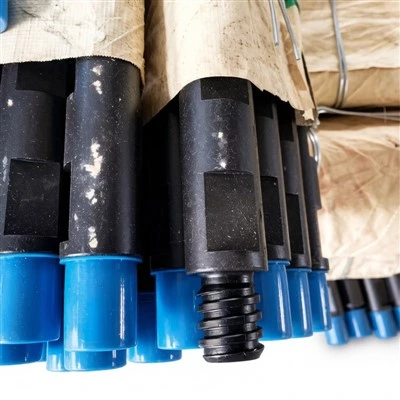
Getting the right equipment is crucial for the success of your drilling operation. If you want to improve your drilling speed, save time and money, and reduce the wear on your equipment, you can’t go wrong with sharp drill bits and a reliable DTH drill. So, don’t hesitate to reach out to us to discuss your requirements and start a fruitful partnership.
Down The Hole Drill References
- Industry reports on DTH drilling operations
- Manufacturer’s manuals on DTH drill maintenance
- Case studies from various drilling projects
Quzhou Shenjian Machinery Factory
As one of the most professional down the hole drill manufacturers and suppliers in China, we’re featured by quality products and good service. Please rest assured to wholesale customized down the hole drill from our factory. Also, quotation is available.
Address: No. 42 Bingang Middle Road, Quzhou City, Zhejiang Province
E-mail: 107467114@qq.com
WebSite: https://www.shenjianmach.com/
