Hey there! I’m a supplier in the sheet metal fabrication equipment biz. Today, I wanna chat about the differences between different models of bending machines in sheet metal fabrication. It’s super important to know these differences if you’re in the market for a bending machine. Sheet Metal Fabrication Equipment
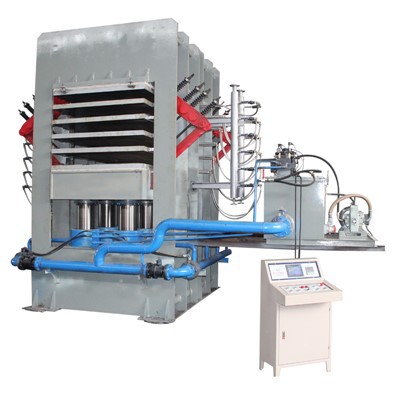
1. Hydraulic Bending Machines
Let’s start with hydraulic bending machines. These are like the heavy – hitters in the bending machine world. They use hydraulic power to generate the force needed to bend the sheet metal.
One of the big advantages of hydraulic bending machines is their power. They can handle thick and tough materials with ease. For example, if you’re working with thick stainless steel sheets, a hydraulic bending machine will be your best friend. It can apply a large amount of force consistently, which ensures accurate and precise bends.
Another plus is the flexibility. Most hydraulic bending machines come with adjustable cylinders, which means you can control the bending process to a great extent. You can adjust the speed of the bending operation and the pressure applied as per your requirements.
However, they also have some drawbacks. Hydraulic bending machines are relatively expensive. The initial investment can be quite high, and they also require regular maintenance. The hydraulic system needs to be checked for leaks and the fluid needs to be changed periodically.
2. Mechanical Bending Machines
Now, let’s move on to mechanical bending machines. These are more basic compared to their hydraulic counterparts. They work based on a mechanical crankshaft system.
The main advantage of mechanical bending machines is their simplicity. They are easy to operate and maintain. There are fewer complex parts, so the chances of breakdowns are relatively low. They are also more affordable, which makes them a great choice for small – scale sheet metal fabrication shops or those on a tight budget.
But they have limitations. Mechanical bending machines are not as powerful as hydraulic ones. They can’t handle very thick or hard materials. The bending speed is also relatively fixed, which might be a problem if you need to vary the bending speed according to different materials.
3. Electric Bending Machines
Here comes the electric bending machine. These machines are powered by electricity and are becoming more and more popular these days.
One of the coolest things about electric bending machines is their precision. They use servomotors to control the bending process, which allows for extremely accurate bends. This is crucial when you’re working on high – precision projects, like aerospace components or medical devices.
They are also very energy – efficient. Compared to hydraulic machines, they consume less power, which can lead to significant cost savings in the long run. Plus, they’re relatively quiet during operation, which is a big plus if you’re working in a noise – sensitive environment.
However, electric bending machines have a lower bending capacity compared to hydraulic machines. They’re not the best choice for large – scale or heavy – duty bending jobs.
4. CNC Bending Machines
CNC (Computer Numerical Control) bending machines are the high – tech kids on the block. These machines are controlled by a computer, which allows for highly automated and precise bending operations.
The biggest advantage of CNC bending machines is the repeatability. Once you’ve programmed a specific bend, the machine can reproduce it exactly the same way every time. This is great for mass production, where consistency is key.
They also offer a high level of flexibility. You can quickly change the bending program to handle different parts or bending requirements. This saves a lot of time and increases productivity.
But CNC bending machines are expensive. Not only is the machine itself costly, but you also need to invest in training your operators to use the software and operate the machine properly.
Factors to Consider When Choosing a Bending Machine
When you’re in the market for a bending machine, there are several factors you need to think about.
Material Thickness
If you’re mainly working with thin sheets, a mechanical or electric bending machine might be sufficient. But if you often deal with thick materials, a hydraulic or CNC bending machine is a better choice.
Bending Capacity
Consider the maximum length and width of the sheets you’ll be bending. Some machines have limited bending capacities, so make sure the machine you choose can handle your typical workpieces.
Precision Requirements
For high – precision jobs, like those in the electronics or jewelry industries, electric or CNC bending machines are a must. They can offer the level of accuracy needed for these types of projects.
Production Volume
If you’re doing small – batch production, a simple mechanical or electric machine might work. But for large – volume production, CNC machines are ideal due to their repeatability and high – speed operation.
Budget
Last but not least, your budget plays a big role. Hydraulic and CNC machines are more expensive upfront, but they can offer long – term benefits in terms of productivity and quality. On the other hand, mechanical and electric machines are more budget – friendly, making them a good option for startups or small businesses.
Conclusion
In conclusion, there are several types of bending machines available in the market, each with its own set of advantages and disadvantages. Hydraulic machines are powerful but costly, mechanical machines are simple and affordable but have limitations in terms of power and flexibility, electric machines are precise and energy – efficient but have lower bending capacities, and CNC machines are highly automated and offer great repeatability but are expensive.
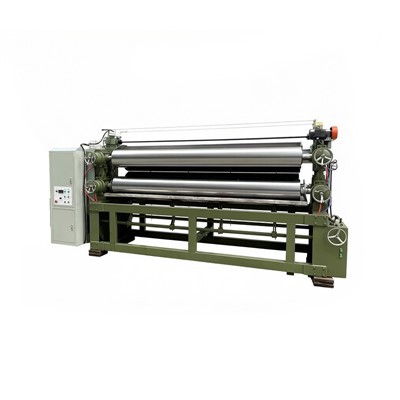
Double Side Gluing Machine If you’re in the market for a bending machine, take the time to evaluate your specific needs, considering factors like material thickness, bending capacity, precision requirements, production volume, and budget. And if you have any questions or need more information, don’t hesitate to get in touch. We’re here to help you find the perfect bending machine for your sheet metal fabrication needs. Whether you’re a small – scale workshop or a large manufacturing plant, we’ve got the right equipment for you. So, reach out and let’s start a conversation about how we can improve your sheet metal bending process.
References
- "Sheet Metal Fabrication Handbook"
- "Modern Bending Machine Technology"
Jiashan Changle Machinery Manufacturing Co., Ltd.
We’re well-known as one of the leading sheet metal fabrication equipment manufacturers and suppliers in China, also support customized service. Please feel free to buy advanced sheet metal fabrication equipment for sale here from our factory. Quality products and punctual delivery are available.
Address: Building 12, Zone A, Wanyang Innovation City, No. 23 Yucao South Road, Ganyao Town, Jiashan County, Jiaxing City, Zhejiang Province
E-mail: Changle84615620@163.com
WebSite: https://www.changlejx.com/
