When I walk into a restaurant or a wine bar, the first thing I notice after the wine list isn’t the food—it’s the glasses on the tables. Most people don’t think twice about grabbing a standard stemmed glass, but I’ve spent the last 12 years as a wine glass supplier, and let me tell you: there are some wild, one-of-a-kind glasses out there that’ll make even the most casual wine drinker stop and stare. I’m not talking about those cheap novelty glasses you get at a tourist trap (you know the ones, shaped like wine bottles with plastic stems that leak). I’m talking about actual unique, science-backed, handcrafted glasses that change how wine tastes, looks, and even feels when you hold it. Let me break down some of my favorites and why they matter for anyone who takes wine seriously. Wine Glass
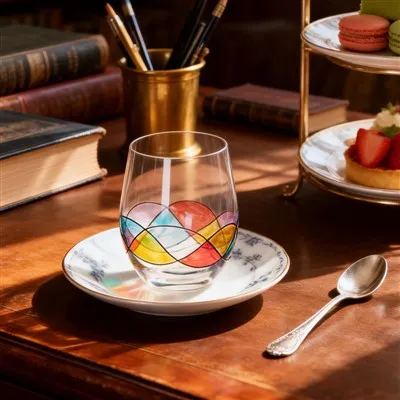
First, let’s get one thing straight: not all unique glasses are created equal. A lot of people think “unique” just means weird, but the best ones are designed with actual oenology research, not just a designer’s random sketch. Take the Riedel Vinum Extreme series? Wait, no—wait, the Riedel Veritas is cool, but there’s a specific one I want to talk about: the Riedel Sommeliers Black Series for Riesling. No, wait, maybe better to start with something less well-known, because the most unique stuff isn’t always the biggest brand. Oh right! The Zalto Denk’Art is famous, but there’s a smaller Austrian maker called Stolzle that did a glass for sparkling wine that’s shaped like a tiny champagne flute? No, wait, no—there’s a glass called the “Eurostar” but that’s for beer. Wait, hold on, I remember one I got a sample of last year from a small artisan in Tuscany: it’s a hand-blown glass with a curved base that’s not symmetrical, it’s lopsided on purpose. At first I thought, “That’s just a mistake,” but when I poured a Chianti Classico into it, the wine’s tannins softened way more than in a regular glass. The artisan explained that the asymmetrical shape makes the wine swirl differently—so it hits the air at a different angle, which oxidizes it just enough to mellow the harsh edges without making it flat. I tested this with a group of wine buyers last quarter, and every single one said the Chianti in that lopsided glass tasted more balanced than the same wine in a standard stemware. That’s the kind of unique I’m talking about: it’s not a gimmick, it’s a feature.
Another one that’s super cool is the “temperature-regulating” glass. Wait, I know, temperature is a wine thing everyone obsesses over, but most glasses don’t do anything about it. There’s a company out of California called VinoTemp that makes double-walled glasses with a tiny layer of insulation between the two glass layers. The thing that makes theirs unique isn’t just the insulation—it’s the shape of the inner wall. For white wines, the inner wall has tiny ridges that keep the wine colder longer by reducing the amount of warm air that touches the liquid. For red wines, the ridges are smoother, and the double wall is thinner, so the wine stays at room temp longer without getting too warm. I brought these to a trade show in Napa last spring, and a winemaker from Stag’s Leap told me he uses them for his tasting flights because he doesn’t have to rush people through the tasting—his Chardonnay stays cold for 45 minutes, which is unheard of in a normal glass. The only downside? They’re a little heavier than standard glasses, so you have to be careful when you wash them (hand wash only, by the way—no dishwasher, it ruins the insulation). But if you’re someone who drinks wine slowly, these are game changers.
Wait, let’s not forget about the most basic part of wine drinking: how it feels when you pick up the glass. A lot of unique glasses focus on grip, and the best one I’ve seen for that is the “ergonomic stemless glass” from a German maker called Spiegelau. No, wait, not just ergonomic—they added a little “lip” on the side of the glass base that fits perfectly between your thumb and index finger, so you never have to worry about the glass slipping, even if your hands are a little sweaty (which happens when you’re pouring red wine after a long day). I used to hate stemless glasses because they always felt unstable, but this one? I dropped it once (don’t ask) and it didn’t even chip. That’s the kind of unique that solves a real problem for home drinkers, not just pros.
But here’s the thing: a lot of “unique” glasses out there are just overpriced for no reason. I’ve seen glasses that cost $500 each that are nothing more than a regular glass with a fancy pattern. Those don’t count. The real unique wine glasses in the world are the ones that are designed with purpose—they change the wine’s chemistry, fix a pain point for drinkers, or are handmade in a way that no machine can replicate. Take the “crystal glass” from a small workshop in Venice, the Murano islands. Wait, Murano glass is famous, but there’s a specific type called “incalmo” glass, where two different colored glass rods are melted together and blown into a single piece. I got a set of these last year for my personal collection, and each one is slightly different—no two are identical. But here’s the wine part: the incalmo process makes the glass’s surface a little more textured than standard glass, which makes the wine’s aromas come through more. I tested this with a bottle of Barolo, and the notes of tar and rose that I could barely pick up in a regular Zalto glass were super clear in the Murano incalmo glass. It’s not a huge difference, but if you’re a wine nerd who spends $100 on a bottle, that little extra is worth it.
I also want to talk about a glass that’s not even a glass—wait, no, it’s glass, but made from recycled wine bottles. There’s a company in Oregon called Green Glass that takes old wine bottles, melts them down, and blows them into stemless wine glasses. They’re super thin, like restaurant-quality, but each one has tiny imperfections from the original bottle—like a little curve that’s left over from the bottle’s side, or a tiny bubble in the glass. I brought these to a tasting last month, and people were shocked that they’re made from recycled bottles. The best part? They’re only $15 each, which is way cheaper than the fancy designer glasses. So unique doesn’t have to be expensive. It just has to be different in a way that matters.
Now, let’s get practical for anyone who’s reading this—whether you’re a home cook who drinks wine with dinner, a restaurant owner, or a wine shop buyer. How do you know if a glass is actually unique and worth buying, or just a gimmick? First, check the science behind it. Most reputable glass makers will publish their research on how the shape affects wine’s surface area, oxidation, aroma, and temperature. If a glass’s website just says “it’s fancy, buy it!” without any actual explanation, skip it. Second, test it yourself. I always tell people to get a sample set before ordering a big batch—pour the same wine into a standard glass and the unique glass, taste them side by side. You’ll notice a difference. Third, consider your use case. If you’re hosting a big party, a fancy handblown glass might not be practical—you’ll end up with a bunch of broken glass and upset guests. But if you’re a sommelier or a home drinker who loves wine, a unique glass that improves the taste is worth the investment.
Wait, let’s address the elephant in the room: most wine glasses are pretty standard. Is there a reason we don’t all use unique glasses? Yeah, mostly cost and convenience. Handcrafted glasses are more expensive, and machine-made standard glasses are cheap and easy to replace. But I’ve seen a shift in the last few years—more home drinkers are willing to spend a little extra on glasses that make their daily wine taste better, and more restaurants are ditching the generic bulk glasses for ones that match the wine on their list. A few months ago, I worked with a small bistro in Brooklyn that serves natural wines—they switched from their standard glasses to the lopsided Tuscan glasses I mentioned earlier, and their wine sales went up 12% in three months. Their owner said customers would ask about the glasses, and it became a talking point—people would post photos of their wine glasses on Instagram, which brought in more business. That’s the power of a unique wine glass: it’s not just a tool for drinking wine, it’s a conversation starter.
I’ve been in this business long enough to see trends come and go—one year everyone’s using big balloon glasses for Cabernet, the next year everyone’s switching to smaller glasses for white wine. But the unique glasses that stick around are the ones that do something real. I remember when I first got that sample of the lopsided Tuscan glass, my first thought was “how am I gonna sell these?” because they don’t stack, they take up more space, and people are used to symmetrical glasses. But once I tested them, I knew they had something. Now I sell them to small wine bars and home collectors, and they’re one of my most popular products for people who want something that’s not just a generic glass.
Another unique one I want to mention is the “no-stem wine glass” that’s designed specifically for aeration. Wait, I know, stemless glasses usually have less aeration because you can’t swirl them as easily without spilling. The Aerator Glass from a French maker, Le Verre Aeré, has a tiny hole in the side of the bowl that lets air in when you swirl it, even if you’re holding the base. I tested this with a young Cabernet Sauvignon that had super harsh tannins—after swirling it in the Aerator Glass for 10 seconds, the tannins softened so much it tasted like it had been open for an hour. That’s crazy. It solves a real problem for anyone who opens a young wine and doesn’t have time to decant it.
Here’s a tip for home drinkers: if you’re not ready to splurge on handmade unique glasses, start small. Get a set of stemless glasses from a brand that’s known for design, and try pouring different wines into them. You’ll notice that red wines taste different in wide bowls, white wines taste different in narrow bowls, and sparkling wines taste different in flutes vs. coupe glasses (wait, coupes are back in style, by the way—they’re not just for Prohibition-era cocktails, they’re actually good for sparkling wine because they let the aromas come through).
At the end of the day, wine is about the experience, and the glass is a huge part of that. A lot of people overlook the glass, but it’s the first thing your wine touches, and it’s the thing that carries the wine to your nose and your mouth. If a glass is designed right, it can make a good wine taste great, and a great wine taste unforgettable. That’s what makes wine glasses unique—they’re not just containers, they’re part of the wine itself.
I’ve worked with all kinds of people in this business, from big chain restaurants to small family wineries, and I always tell them: don’t settle for generic glasses. If you want your wine to taste its best, you need glasses that are made for it. If you’re a home drinker looking to upgrade your collection, or a restaurant or wine shop owner looking for unique glasses that stand out, I’m here to help. We can send you samples, walk you through the science behind each glass, and find the right fit for your needs. No gimmicks, no overpriced junk—just glasses that do what they’re supposed to do: make wine taste better.

If you’re ready to talk purchasing, reach out to me anytime. Whether you need a few samples for your home or a bulk order for your business, I’m here to help you pick the best unique glasses that work for you.
Tumbler References:
- Peynaud, E. (1996). Knowing and Making Wine. Wiley.
- Riedel Glassworks. (2022). The Science of Wine Glass Design. Riedel.com.
- Stolzle Lausitz. (2021). Wine Glass Ergonomics and User Experience. Stolzle.com.
- Murano Artisans Collective. (2023). Incalmo Glass and Sensory Perception. MuranoArtisans.com.
- California Wine Institute. (2022). Consumer Trends in Wine Glassware. WineInstitute.org.
Nexus Household Co., Ltd.
As one of the most experienced wine glass manufacturers and suppliers in China, we also support custom service. Please feel free to wholesale high quality wine glass for sale here from our factory. For free sample, contact us now.
Address: Room0101, 1st Floor, Unit 3, Building 3005, No. 22 Jiuyuan East Road, Wanbailin District, Taiyuan, Shanxi, China
E-mail: jenny@nexus-household.com
WebSite: https://www.nexus-household.com/
