Epoxy bushings are critical components in electrical systems, playing a pivotal role in ensuring the smooth and efficient operation of various electrical equipment. As a seasoned epoxy bushing supplier, I’ve witnessed firsthand the profound impact these components have on the energy efficiency of a system. In this blog post, I’ll delve into the science behind epoxy bushings and explore how they contribute to energy efficiency, drawing on my years of experience in the industry. Epoxy Bushing
Understanding Epoxy Bushings
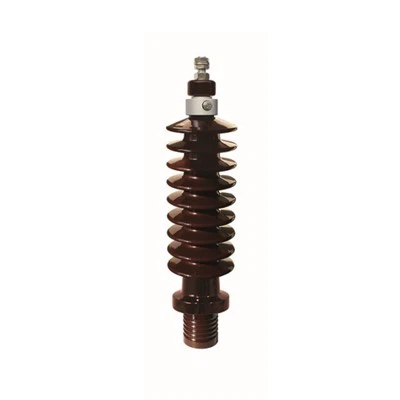
Before we discuss how epoxy bushings affect energy efficiency, it’s essential to understand what they are and their function in an electrical system. Epoxy bushings are insulating devices used to provide a safe passage for electrical conductors through barriers such as transformer tanks, switchgear enclosures, and circuit breakers. They are typically made of epoxy resin, a synthetic polymer known for its excellent electrical insulation properties, mechanical strength, and chemical resistance.
The primary function of an epoxy bushing is to prevent electrical leakage and short circuits between the live conductor and the grounded enclosure. By providing a high – quality insulation barrier, epoxy bushings ensure that the electrical current flows through the conductor as intended, minimizing energy losses due to unwanted electrical paths.
Reducing Energy Losses through Insulation Resistance
One of the most significant ways epoxy bushings impact energy efficiency is by offering high insulation resistance. Insulation resistance is a measure of how well an insulating material prevents the flow of electrical current through it. The higher the insulation resistance, the less current will leak through the insulation, resulting in lower energy losses.
Epoxy resin, the main material in epoxy bushings, has inherently high insulation resistance. This property ensures that the electrical energy is concentrated in the conductor and used effectively for its intended purpose. For example, in a power transformer, an epoxy bushing with high insulation resistance prevents the leakage of electrical energy from the high – voltage winding to the transformer tank. This not only improves the overall energy efficiency of the transformer but also enhances its safety and reliability.
In contrast, if a bushing has low insulation resistance, significant amounts of electrical energy can leak out through the insulation. This leakage current not only wastes energy but also generates heat, which can further degrade the insulation material over time, leading to potential equipment failures.
Improving Dielectric Performance
Dielectric performance is another crucial factor in the energy efficiency of epoxy bushings. The dielectric constant of a material is a measure of its ability to store electrical energy in an electric field. Epoxy resin has a relatively low dielectric constant, which means it can store only a small amount of electrical energy within its structure.
This low dielectric constant is beneficial for energy efficiency because it reduces the amount of reactive power in the system. Reactive power is the power that oscillates between the source and the load without being consumed for useful work. High levels of reactive power can lead to increased energy losses, voltage drops, and reduced efficiency in the electrical system.
By using epoxy bushings with low dielectric constants, the reactive power in the system can be minimized, allowing more of the electrical energy to be used for productive purposes. This is particularly important in high – voltage applications, where even small improvements in dielectric performance can result in significant energy savings.
Enhancing Thermal Management
Thermal management is closely related to energy efficiency in electrical systems. When electrical energy is transmitted through conductors, some of it is converted into heat due to the resistance of the conductor. Excessive heat can not only reduce the efficiency of the system but also shorten the lifespan of electrical components.
Epoxy bushings contribute to thermal management in several ways. Firstly, epoxy resin has good thermal conductivity properties, which allows it to dissipate heat more effectively from the conductor. This helps to maintain a lower operating temperature in the system, reducing the energy losses associated with high – temperature conditions.
Secondly, epoxy bushings are designed to withstand high temperatures without losing their mechanical and electrical properties. This means that they can operate in harsh thermal environments without degrading, ensuring the long – term energy efficiency and reliability of the system.
For example, in a power substation, the epoxy bushings on transformers and circuit breakers help to keep the temperature of the electrical components within a safe range. By preventing overheating, these bushings contribute to the overall energy efficiency of the substation and reduce the need for costly maintenance and repairs.
Impact on System Voltage Regulation
Epoxy bushings also play a role in system voltage regulation, which is essential for energy efficiency. In an electrical system, maintaining a stable voltage is crucial for the proper operation of electrical equipment. Voltage fluctuations can lead to increased energy consumption, reduced equipment lifespan, and even system failures.
Epoxy bushings help to stabilize the voltage in the system by providing a consistent insulation path for the electrical current. Their high insulation resistance and excellent dielectric properties ensure that the electrical field distribution around the conductor is uniform, minimizing voltage stress and fluctuations.
In power transmission and distribution systems, for instance, epoxy bushings on high – voltage transformers and switchgear help to regulate the voltage levels and ensure that the electrical energy is transmitted efficiently from the power source to the end – users. By maintaining a stable voltage, these bushings reduce the energy losses associated with voltage variations, thereby improving the overall energy efficiency of the system.
Case Studies: Real – World Impact on Energy Efficiency
To illustrate the real – world impact of epoxy bushings on energy efficiency, let’s look at a few case studies.
In a large industrial plant, the installation of high – quality epoxy bushings in the electrical switchgear resulted in a significant reduction in energy losses. Prior to the upgrade, the plant was experiencing high levels of electrical leakage due to the poor insulation performance of the existing bushings. After replacing them with epoxy bushings, the insulation resistance increased substantially, and the leakage current was reduced to a negligible level. As a result, the plant was able to save a considerable amount of electrical energy, leading to lower energy costs and a reduced carbon footprint.
In a power transmission network, the use of epoxy bushings with improved dielectric performance helped to reduce the reactive power in the system. This led to a decrease in the overall energy losses in the transmission lines, allowing more electrical energy to reach the consumers. The improved voltage regulation also resulted in more stable power supply, which improved the efficiency of the end – user equipment.
Conclusion
In conclusion, epoxy bushings have a profound impact on the energy efficiency of an electrical system. Through their high insulation resistance, excellent dielectric performance, effective thermal management, and contribution to system voltage regulation, epoxy bushings help to minimize energy losses, reduce reactive power, and maintain a stable voltage. These benefits not only lead to significant energy savings but also enhance the reliability and lifespan of the electrical equipment.
As a trusted epoxy bushing supplier, I’m committed to providing high – quality products that meet the highest standards of energy efficiency. Our epoxy bushings are designed and manufactured using the latest technologies and materials to ensure optimal performance in a wide range of applications.
Porcelain Bushing If you’re looking to improve the energy efficiency of your electrical system or are in need of high – quality epoxy bushings, I encourage you to reach out. Our team of experts is ready to assist you in selecting the right products for your specific requirements and to provide you with professional technical support. Contact us today to start a conversation about how our epoxy bushings can benefit your system.
References
- Grover, A. K. (2007). Electric Machinery. Tata McGraw – Hill Education.
- Fitzgerald, A. E., Kingsley, C., & Umans, S. D. (2012). Electric Machinery. McGraw – Hill.
- Westinghouse Electric Corporation. (1978). Electrical Transmission and Distribution Reference Book. Westinghouse Electric Corporation.
Hebei Anmei Electrical Equipment Co., Ltd.
Hebei Anmei Electrical Equipment Co., Ltd. is one of the most professional epoxy bushing manufacturers and suppliers in China, specialized in providing high quality products and service. Please feel free to buy customized epoxy bushing made in China here from our factory. Contact us for quotation.
Address: Hejian Yingzhou Economic Development Zone, Cangzhou City, Hebei Province
E-mail: sales@anmeielec.com
WebSite: https://www.anmeibushing.com/
